Short answer: Frog red blood cells are large ovals, and each one has a nucleus. Human red blood cells are much smaller, round disks with no nucleus, which is why they look pale in the middle. Chicken and fish red blood cells look like the frog's: oval, with a nucleus. Mammals are the main group whose mature red blood cells lose their nucleus.
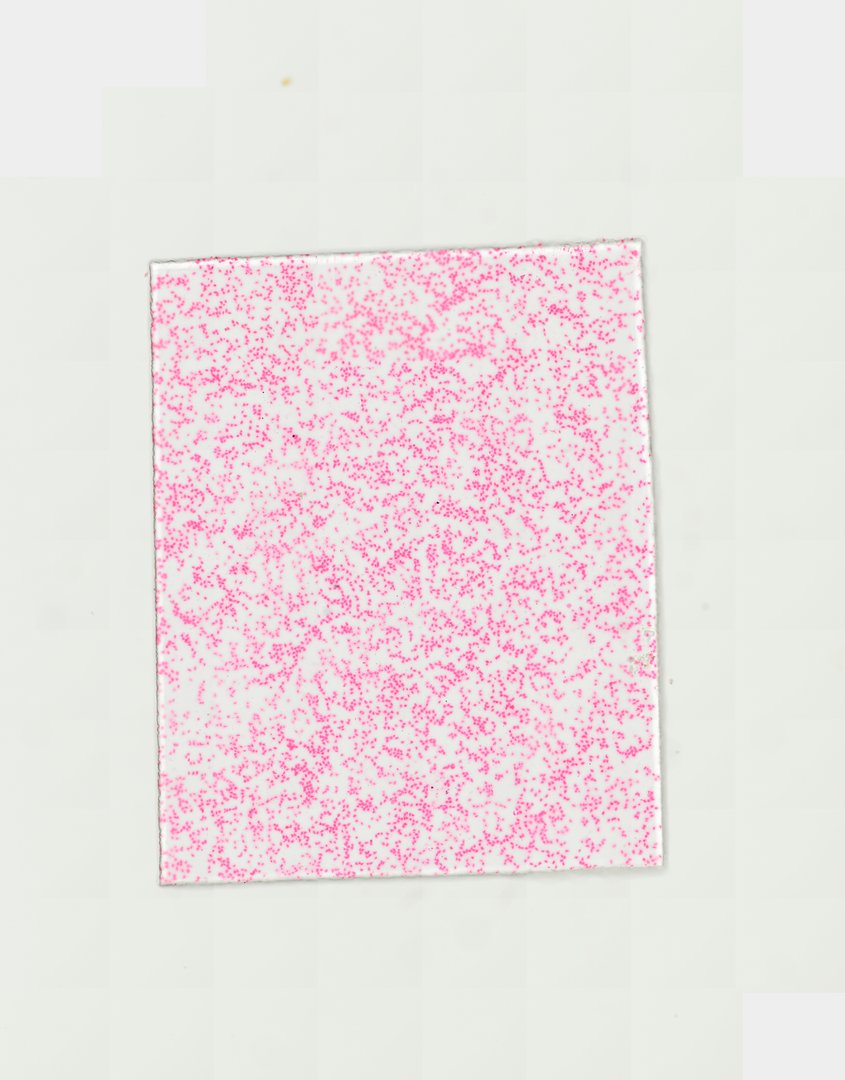 Frog Blood SmearRana temporariaGiemsa
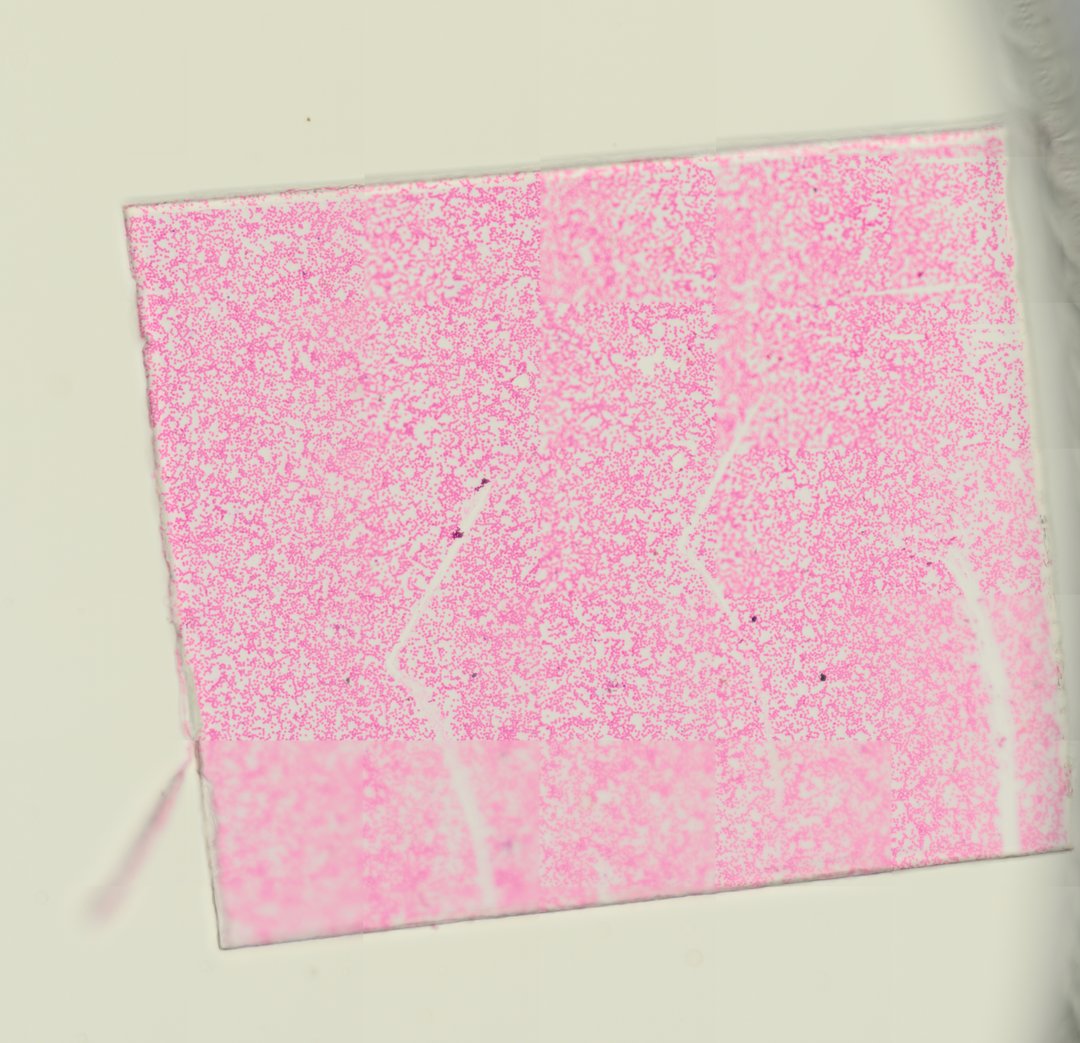 Human Blood SmearHomo sapiensWright-Giemsa
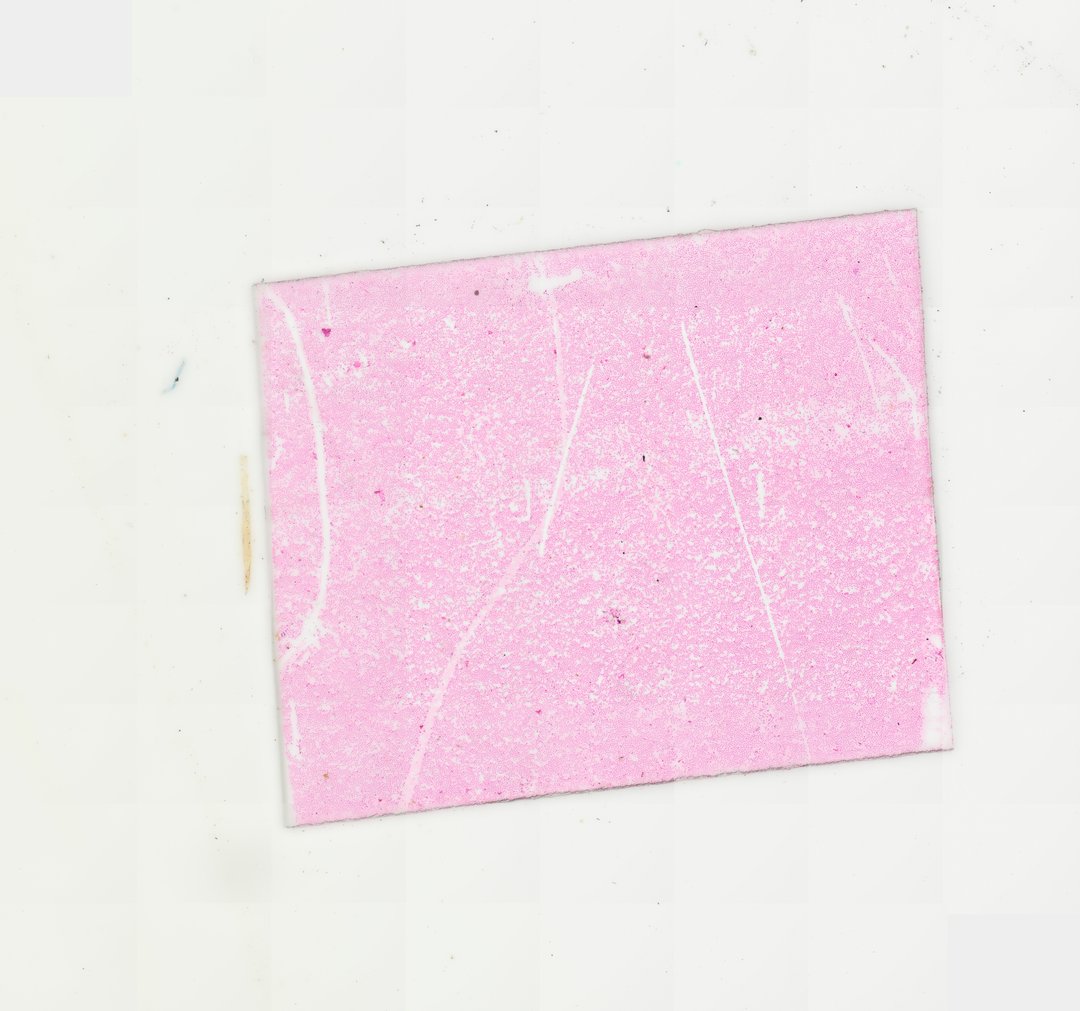 Chicken Blood SmearGallus gallus domesticusWright-Giemsa
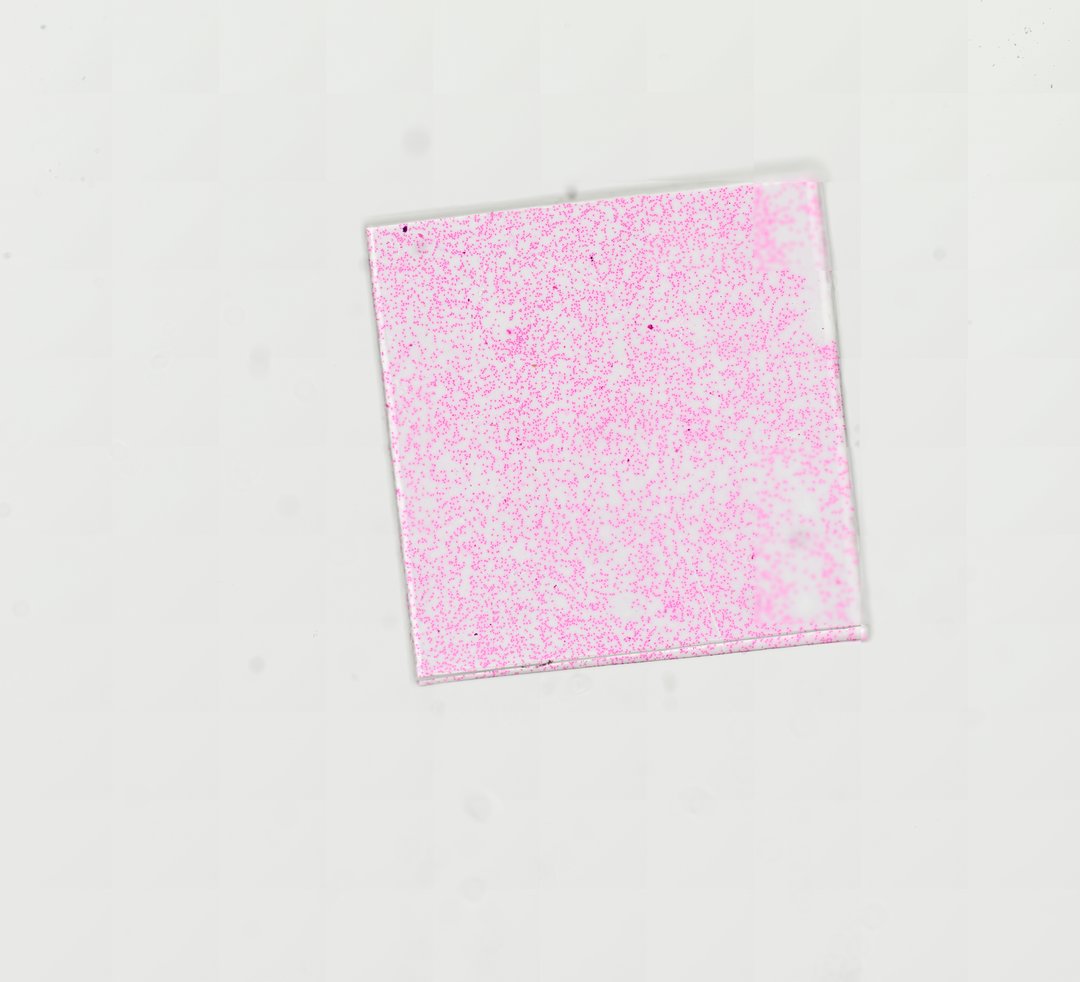 Fish Blood SmearCyprinus carpioGiemsa
Frog, human, chicken and fish blood compared
| Feature | Human | Frog | Chicken | Fish (carp) |
|---|---|---|---|---|
| Red blood cell shape | Round disk, pale center | Large oval | Oval | Oval |
| Nucleus in red blood cells | No | Yes | Yes | Yes |
| Red blood cell size (approximate) | 7 to 8 µm across | About 20 to 25 µm long | About 11 to 13 µm long | About 12 to 15 µm long |
| Clotting cells | Platelets: tiny fragments with no nucleus | Thrombocytes: small cells with a nucleus | Thrombocytes | Thrombocytes |
| Stain on this slide | Wright-Giemsa | Giemsa | Wright-Giemsa | Giemsa |
Sizes vary with species and with how a smear dries, so treat these as rough guides. One frog red blood cell on our slide measures 21.9 µm long with the ruler, close to three times the width of a human one.
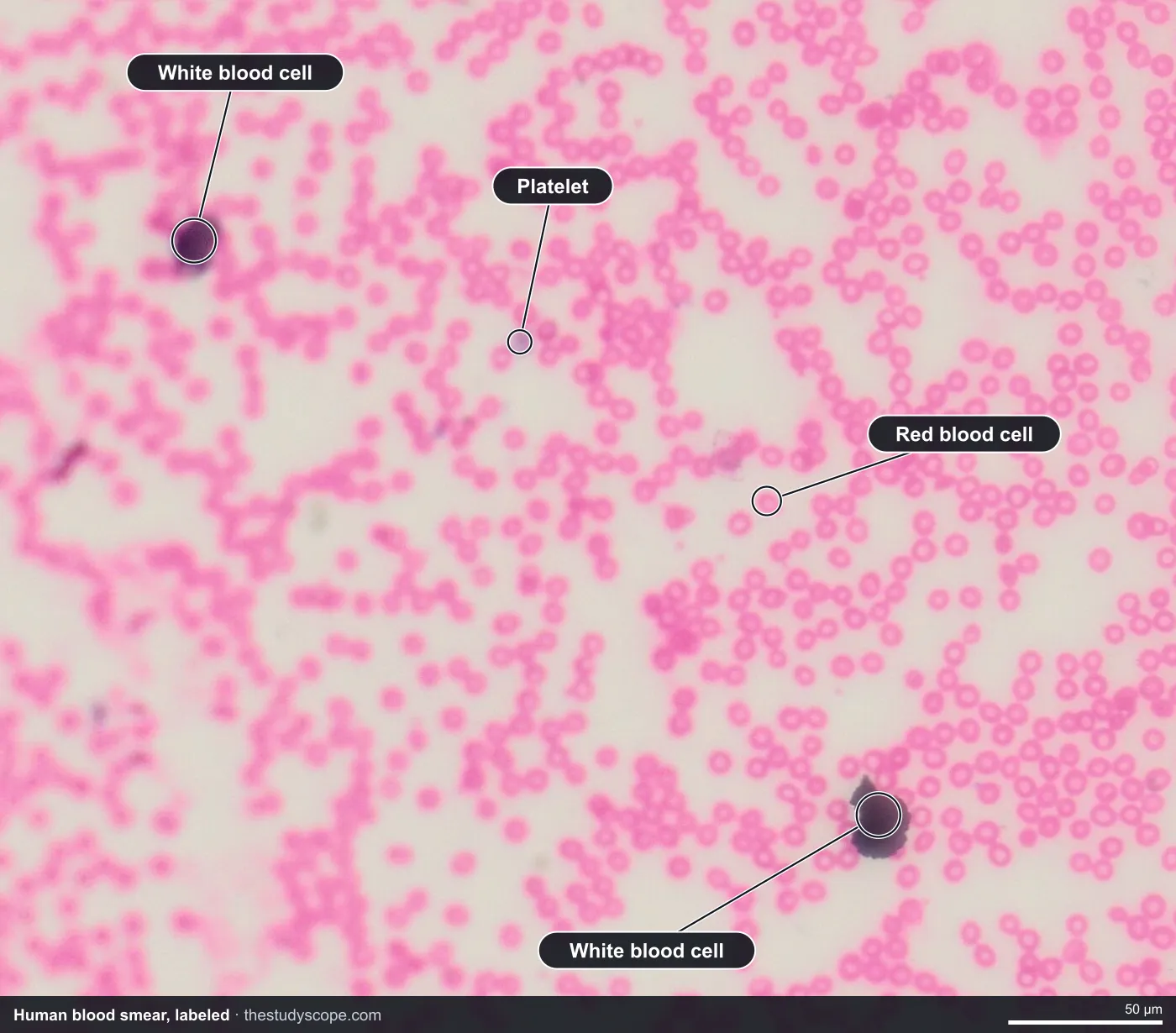
Why human red blood cells have no nucleus
Human red blood cells start out with a nucleus, then push it out as they mature in the bone marrow. Without it there is more room for hemoglobin, the protein that carries oxygen, and the cell can fold and squeeze through the narrowest capillaries. The dent in the middle of each disk, which shows as a pale center under the microscope, also gives the cell more surface for oxygen to cross. All mammals share this. Birds, reptiles, amphibians and fish keep the nucleus, which is why the other three smears have a dark dot in every red cell.
White blood cells in each smear
- Human blood: the best smear for learning white blood cell types. Neutrophils have a lobed nucleus, lymphocytes a large round one, monocytes a bean-shaped one, and eosinophils and basophils carry orange-red or dark purple granules.
- Chicken blood: heterophils, with rod-shaped granules, take the place of neutrophils. Lymphocytes look much like human ones.
- Frog blood and fish blood: white blood cells are rounder than the red cells, with larger or oddly shaped nuclei, and far fewer in number.
Measure the cells yourself
Every slide is calibrated from its scan, so the ruler in the viewer reads real micrometers at any zoom. A quick class activity:
- Measure the length of five red blood cells on the frog smear and five on the human smear.
- Average each set, then divide the frog average by the human average.
- Predict where chicken and fish will fall, then measure them to check.
- Discuss: do bigger cells mean a bigger animal? (No. Frogs are small and have huge red cells.)
Questions and answers
What is the difference between frog blood and human blood under a microscope?
Frog red blood cells are large, oval, and have a nucleus. Human red blood cells are about a third of the length, round, and have no nucleus, so they look pale in the center. Frogs also have thrombocytes, small cells with a nucleus, instead of platelets.
Do frog red blood cells have a nucleus?
Yes. Frog red blood cells keep their nucleus, which shows as a dark oval in the middle of each cell. So do the red blood cells of fish, reptiles, and birds.
Why do mammal red blood cells lose their nucleus?
Pushing out the nucleus leaves more room for hemoglobin and makes the cell small and flexible enough to squeeze through narrow capillaries. It also means mature mammal red blood cells cannot divide or repair themselves, so the body keeps making new ones.
Is chicken blood more like frog blood or human blood?
Chicken red blood cells are oval and have a nucleus, like frog red blood cells, but they are smaller. Human red blood cells are the odd ones out, with no nucleus.
More guides
- Monocot vs dicot stems compared
- Virtual microscope, simulator or digital microscope?
- Using a microscope on a Chromebook
- How to identify the stages of mitosis in an onion root tip
- Cheek cells vs onion cells
- Leaf layers and stomata guide
- Pond water organisms identification guide
- How to identify tissue types
- How to measure cell size
- Lily, pine and luffa pollen compared
- Insect mouthparts compared
- Worm body cavities compared