Short answer: Insect mouthparts come in a few main types, each built for a diet. Cockroaches have chewing mouthparts with hard, toothed jaws. Female mosquitoes have piercing-sucking mouthparts: needle-like stylets inside a sheath. House flies have sponging mouthparts that soak up liquid and cannot bite. Honeybees have chewing-lapping mouthparts: jaws for wax and a long tongue for nectar. All four are built from the same basic parts, changed over time to fit what the insect eats.
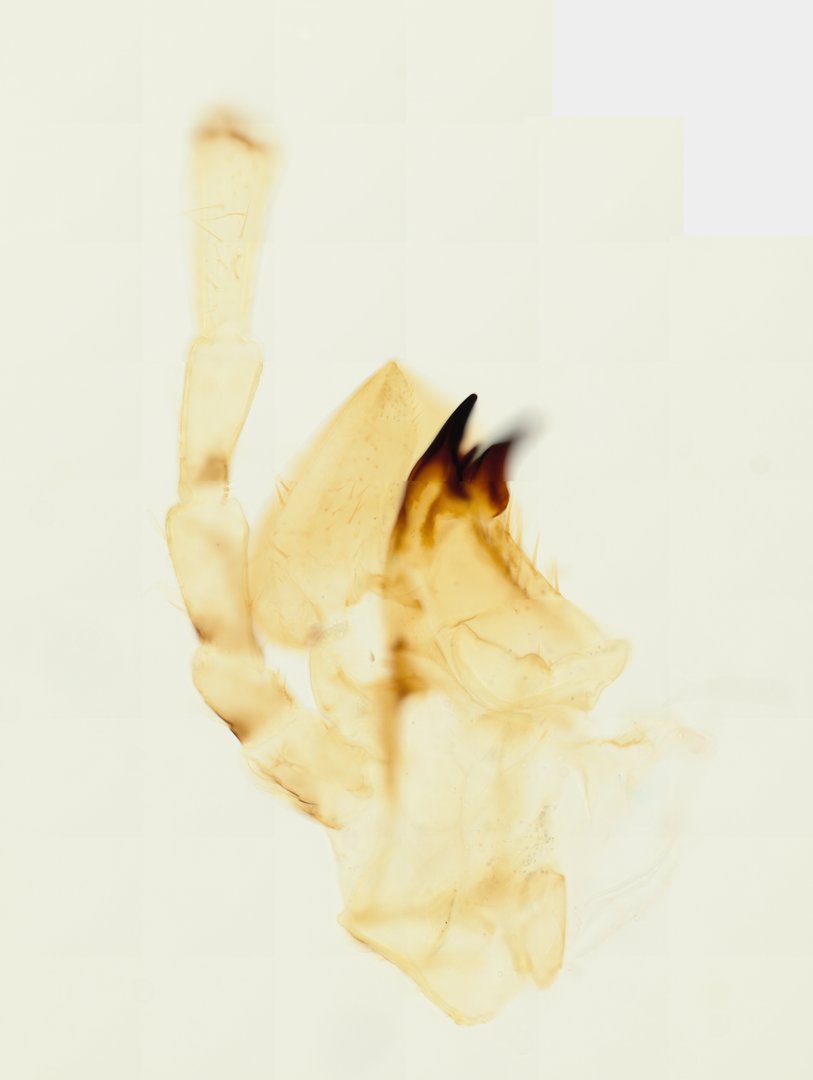 Cockroach Mouthparts (Whole Mount)Periplaneta americana
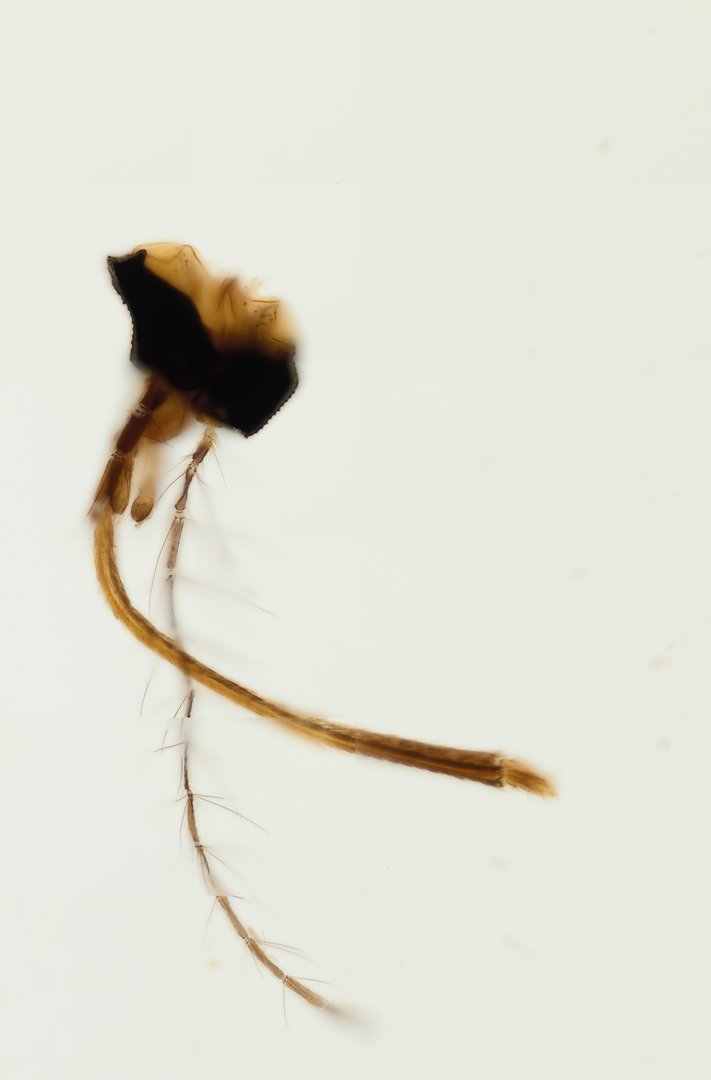 Female Mosquito Mouthparts (Whole Mount)Culex
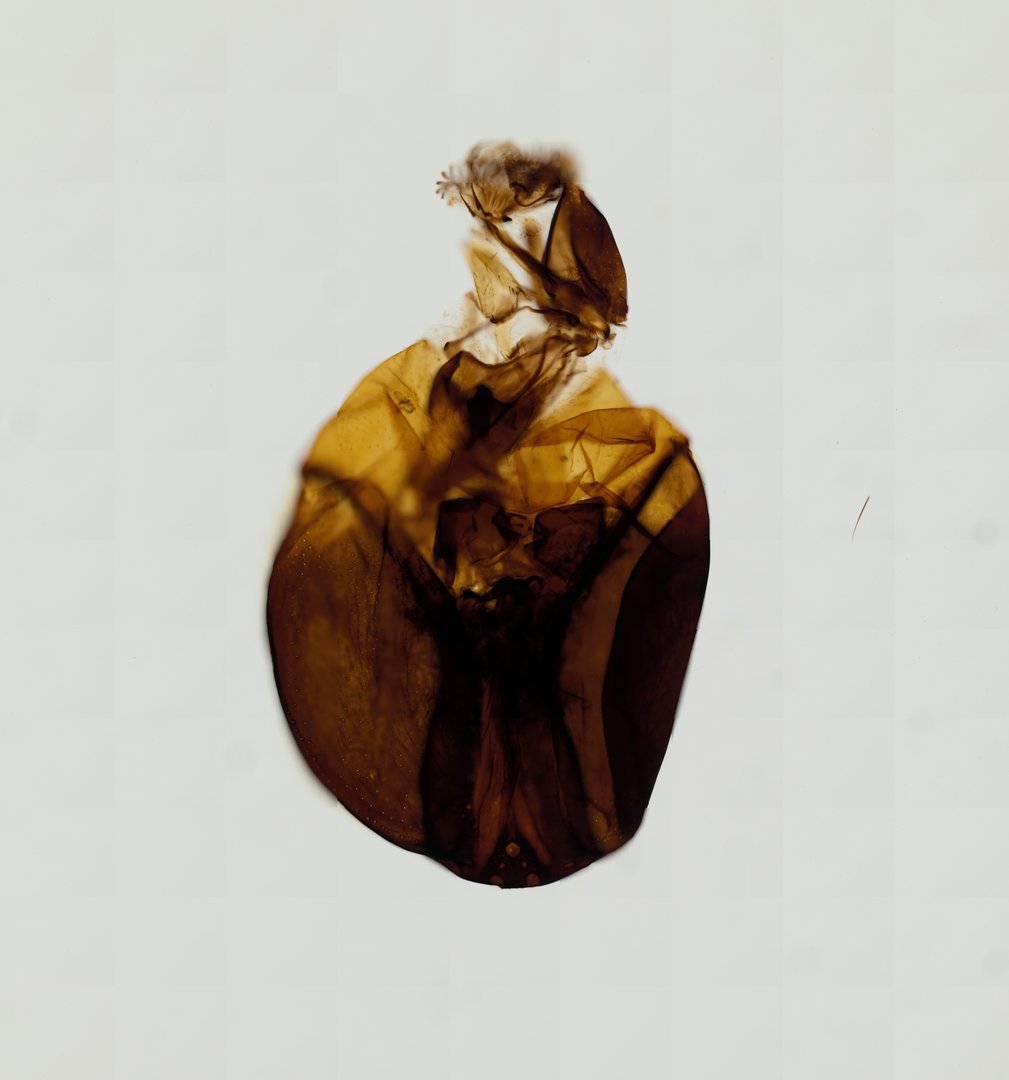 Housefly Mouth Parts (Whole Mount)Musca domesticaUnstained
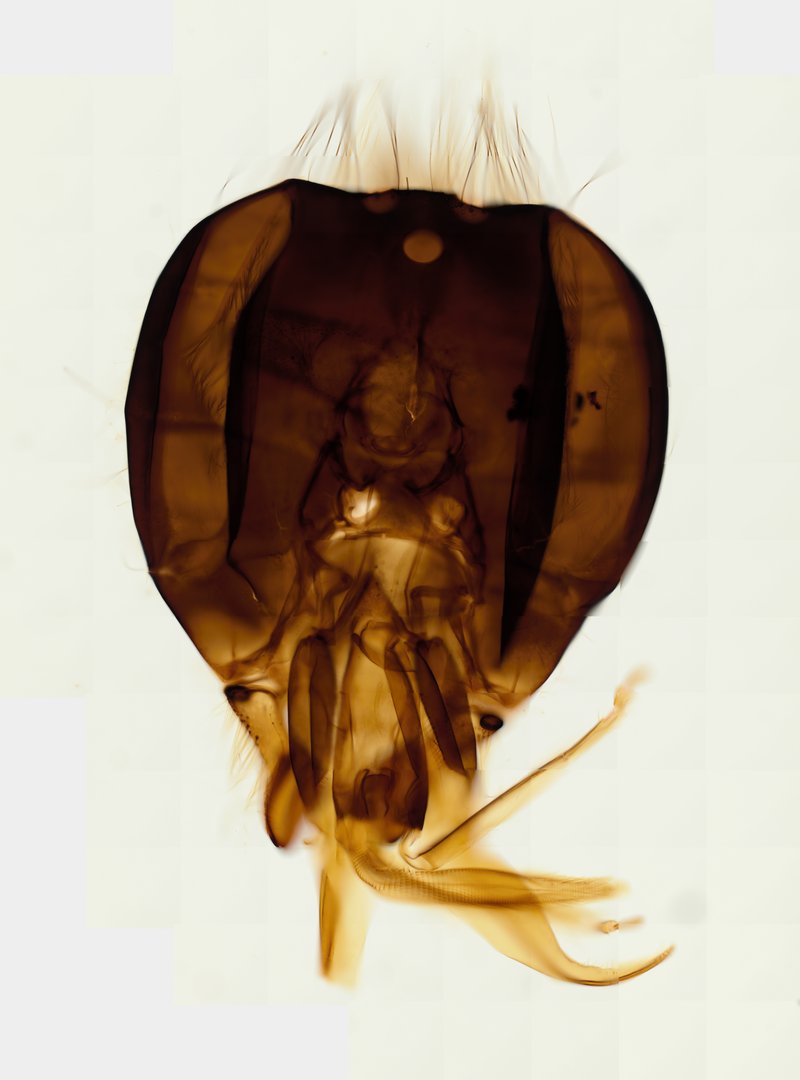 Honeybee Mouthparts (Whole Mount)Apis melliferaUnstained
Types of insect mouthparts compared
| Type | Insect | What it eats | What to find on the slide |
|---|---|---|---|
| Chewing | Cockroach | Almost anything solid | Hard, dark, hooked teeth and a segmented palp for tasting |
| Piercing-sucking | Female mosquito | Blood | A long proboscis; the sheath (labium) holds the stylets |
| Sponging | House fly | Liquids and food it dissolves with saliva | A wide spongy pad (labellum) lined with fine grooves |
| Chewing-lapping | Honeybee | Nectar and pollen | A long hairy tongue with longer parts folded around it |
What to look for on each slide
- Cockroach: the main piece on this slide is a maxilla, one of the pair behind the jaws. Find its hardened, hooked teeth and the long maxillary palp.
- Female mosquito: follow the proboscis from the head. Where the sheath is split or bent, the thin stylets inside may show.
- House fly: zoom into the pad at the tip. The ringed grooves (pseudotracheae) work like a sponge.
- Honeybee: find the tongue (glossa) and the maxillae and labial palps that fold around it to make a tube.
Male vs female mosquito
Only female mosquitoes bite, because they need protein from blood to make eggs. You can tell the sexes apart at a glance by the antennae: a male mosquito has bushy, feathery antennae that he uses to hear the wing buzz of females, while the female's antennae have only a few short hairs.
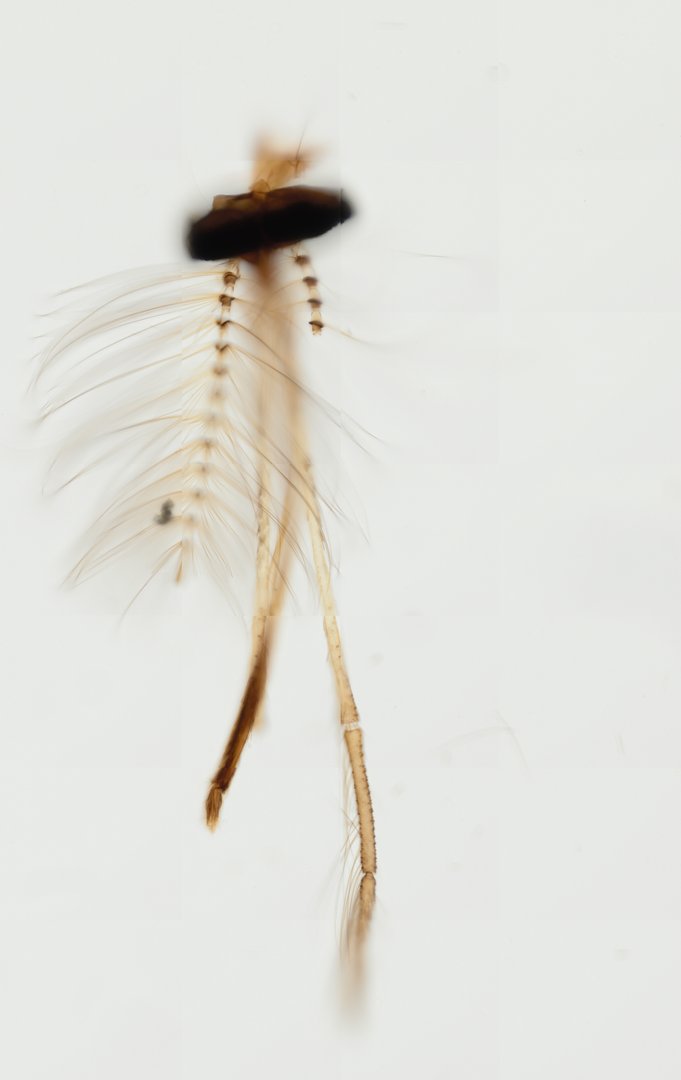
Butterflies and moths have a fifth common type, a coiled siphoning tube (proboscis). The catalog has no butterfly mouthparts slide, but it does have butterfly wing scales.
Using the slides in class
- Show the four slides without names and have students match each to a diet: blood, nectar, garbage, or a spill on the counter.
- Compare the male and female mosquito side by side, then ask why only one sex spreads disease.
- Present live while students follow with a room code, then let them mark the part that does the work on each slide.
Questions and answers
What are the types of insect mouthparts?
The main types are chewing (cockroach, grasshopper), piercing-sucking (mosquito), sponging (house fly), chewing-lapping (honeybee), and siphoning (butterfly). Each is a version of the same basic parts, adapted to a different diet.
What type of mouthparts does a mosquito have?
Female mosquitoes have piercing-sucking mouthparts. A sheath called the labium holds thin, needle-like stylets that pierce skin; one carries saliva that stops clotting and another works as a straw. Males cannot bite and drink nectar and plant juices instead.
Can a house fly bite?
No. A house fly has sponging mouthparts with no piercing parts. It spits saliva onto solid food to dissolve it, then soaks up the liquid with the spongy pad at the tip of its proboscis.
How do you tell a male mosquito from a female under a microscope?
Look at the antennae. Males have bushy, feathery antennae with rings of long hairs. Females have thin antennae with a few short hairs.
More guides
- Monocot vs dicot stems compared
- Frog, human, chicken and fish blood compared
- Virtual microscope, simulator or digital microscope?
- Using a microscope on a Chromebook
- How to identify the stages of mitosis in an onion root tip
- Cheek cells vs onion cells
- Leaf layers and stomata guide
- Pond water organisms identification guide
- How to identify tissue types
- How to measure cell size
- Lily, pine and luffa pollen compared
- Worm body cavities compared