Short answer: Every insect wing is a thin membrane held up by veins, but what covers that membrane changes from group to group. A butterfly wing is hidden under overlapping scales, like shingles on a roof. A mosquito wing has scales only along its veins and a fringe of long scales on the back edge. House fly and honeybee wings are clear and dotted with tiny hairs. Dragonfly and locust wings are bare membrane split into many small boxes by cross veins. The vein pattern, the covering and how the wings pair up are what entomologists use to sort insects into orders.
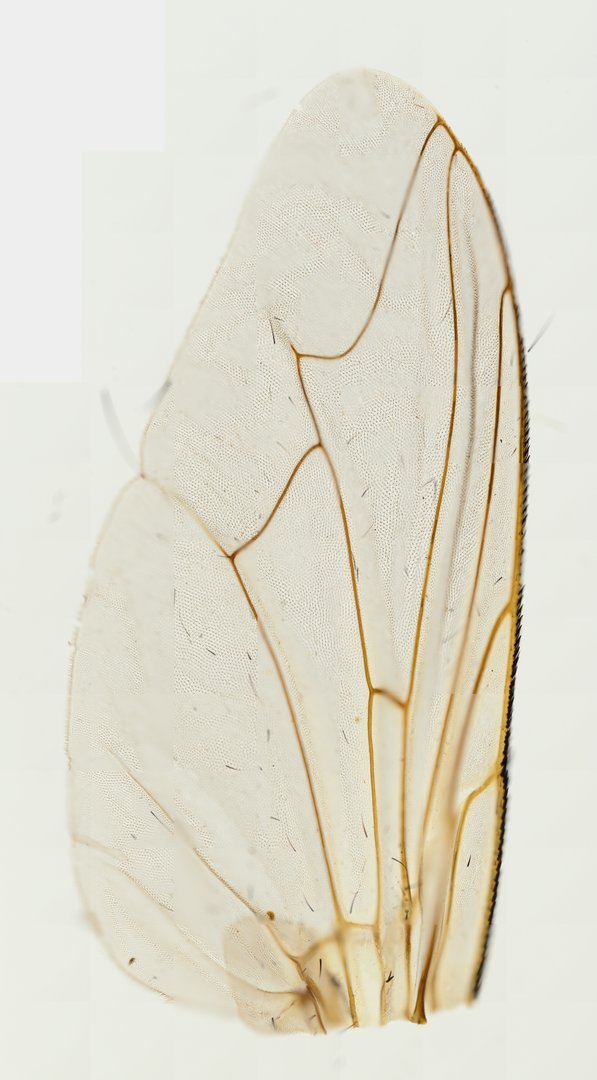 House Fly Wing (Whole Mount)Musca domesticaUnstained
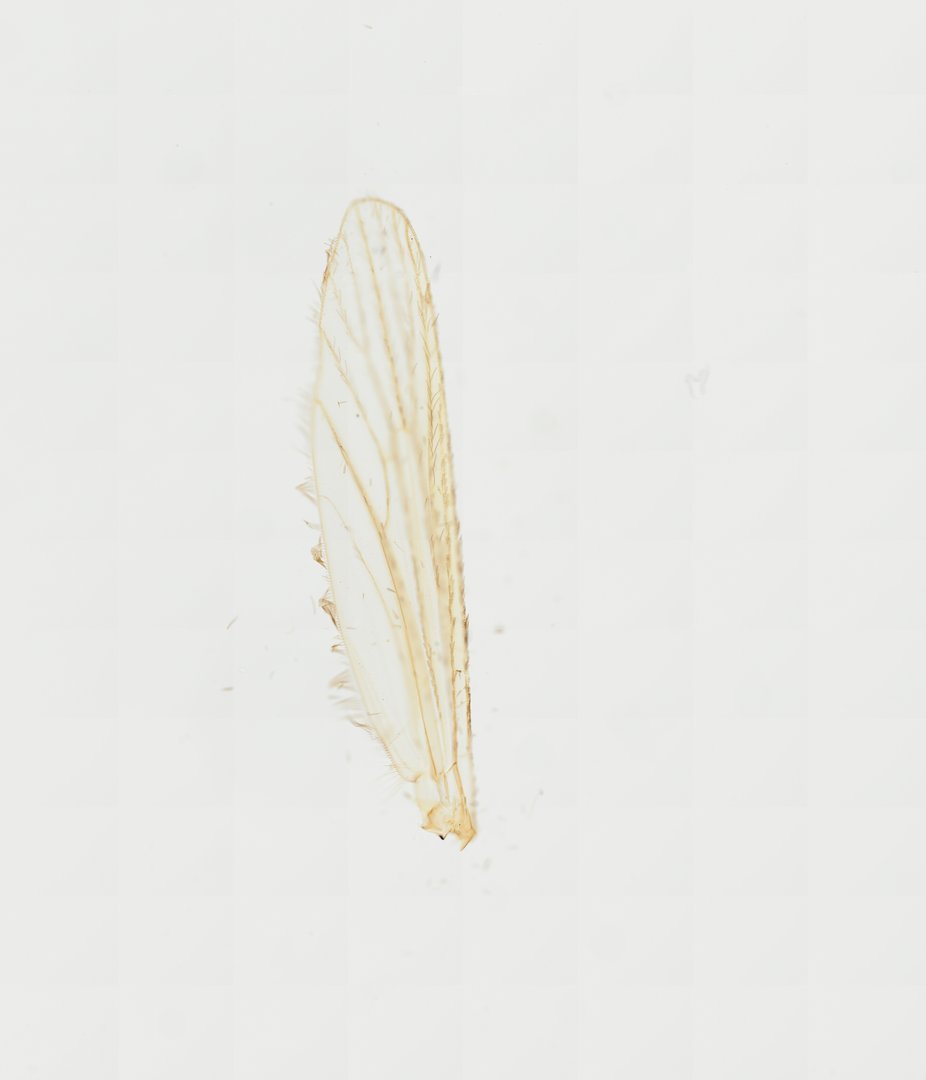 Mosquito Wings (Whole Mount)Culex pipiensUnstained
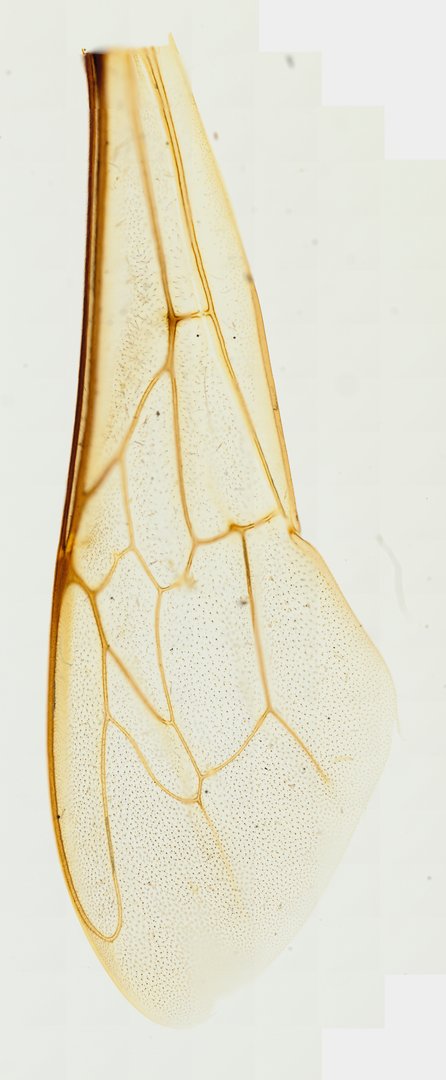 Honeybee Wing (Whole Mount)Apis melliferaUnstained
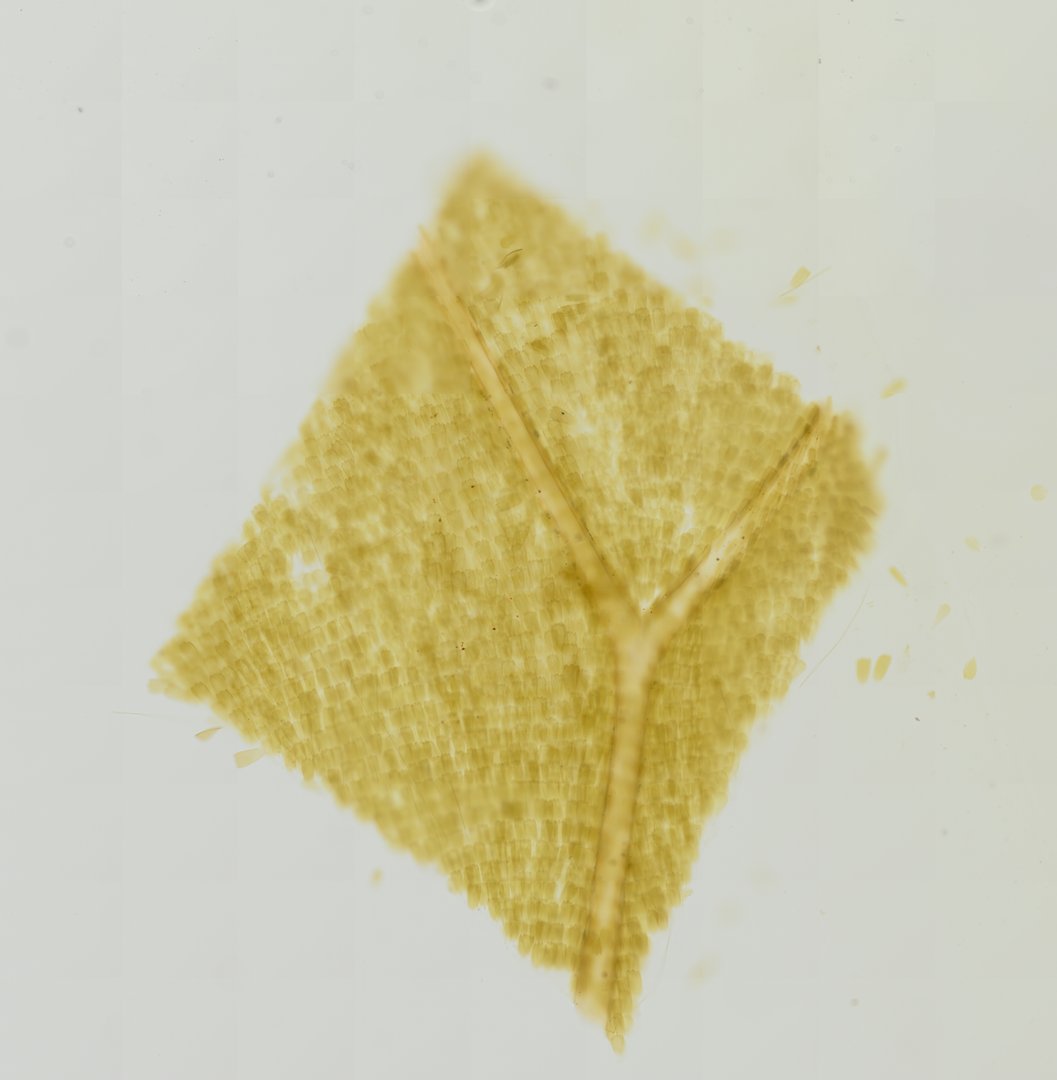 Butterfly Wing Scales (Whole Mount)Lepidoptera
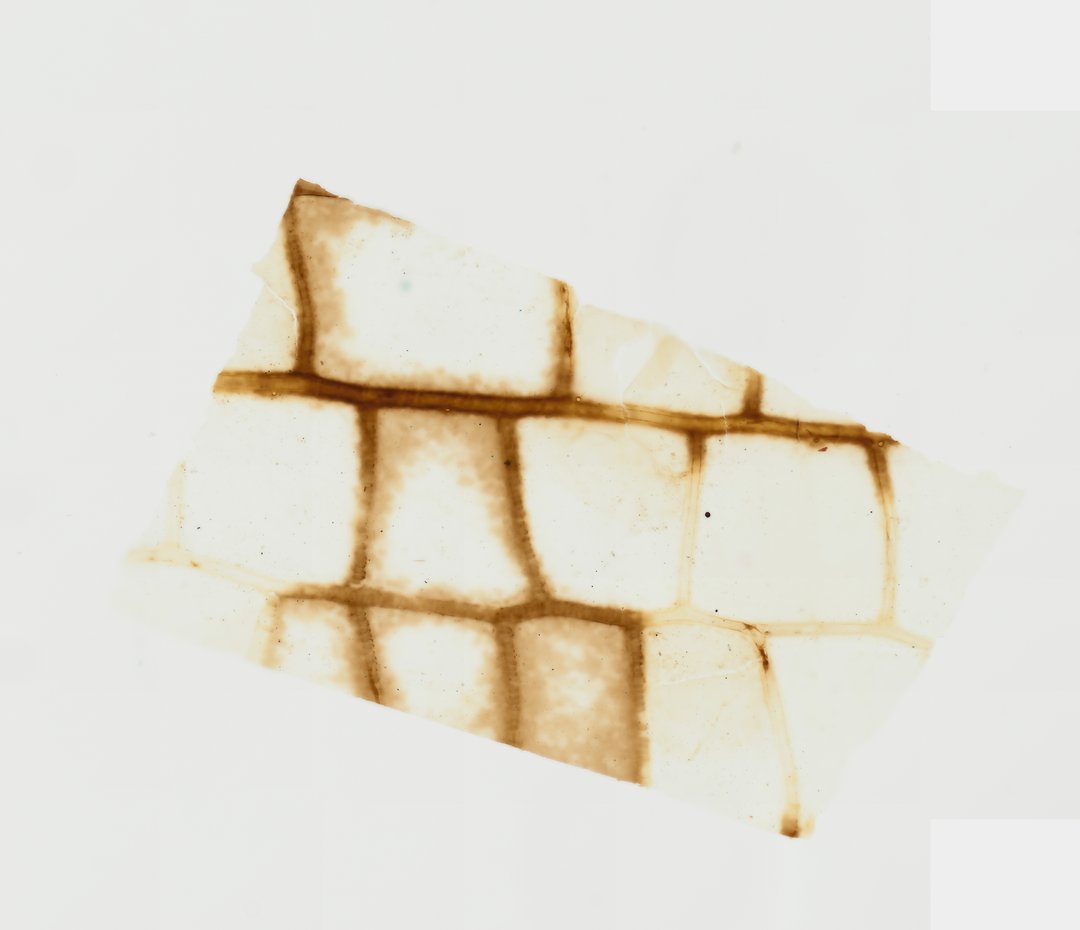 Dragonfly Wing (Whole Mount)Anisoptera
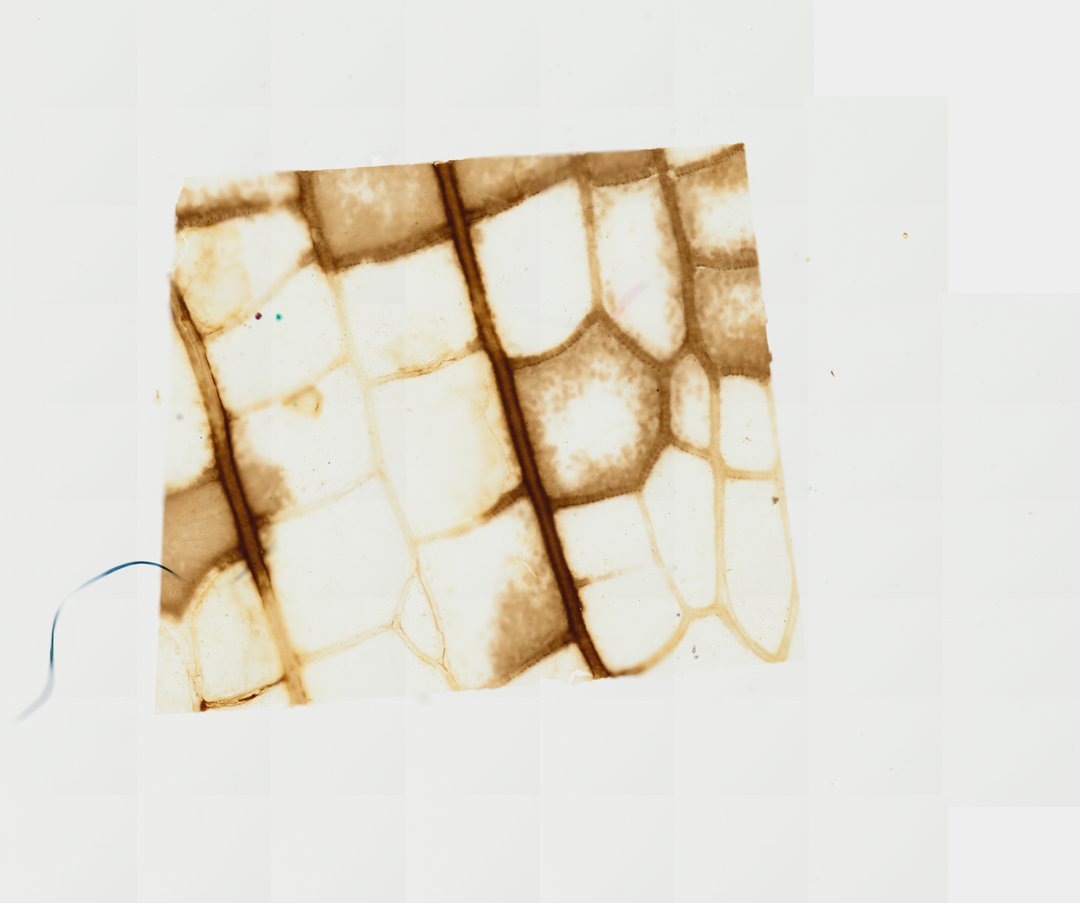 Locust Wing (Whole Mount)Locusta migratoriaUnstained
Six insect wings compared
| Wing | Order | Membrane covering | Veins | Flight clue |
|---|---|---|---|---|
| House fly | Diptera (true flies) | Tiny hairs all over; stiff dark bristles on the front edge | A few long veins and a few cross veins | Flies have one pair of wings; the hind pair are tiny balance knobs |
| Mosquito | Diptera (true flies) | Fine hairs, flat scales lined up on the veins, a fringe of long scales on the back edge | Long, nearly parallel veins from base to tip | A long, narrow wing that beats hundreds of times per second |
| Honeybee | Hymenoptera | Short hairs scattered over clear membrane | Veins close off cells near the base and front; the outer wing is open | Front and hind wings hook together (only the front wing is on this slide) |
| Butterfly | Lepidoptera ("scale wing") | Overlapping scales cover the membrane | A pale vein forking in a Y on this piece | Broad wings whose color comes from the scales |
| Dragonfly | Odonata | Bare membrane, brown shading near the veins | Thick main veins and cross veins in a grid of boxes | Four wings that move separately |
| Locust | Orthoptera | Bare membrane, brown shading near the veins | Thick main veins and curved cross veins in a net of cells | Hind wings fold like a fan under narrow front wings |
What to look for on each slide
Flies: house fly and mosquito
- House fly wing: the whole wing, about 6 millimeters long. Zoom anywhere on the membrane and it is packed with tiny curved hairs. The front edge carries a row of stiff, dark bristles. Follow the long veins toward the tip and find the one that bends sharply forward, a feature used to recognize house flies.
- Mosquito wing: long and narrow, about 3.5 millimeters. At high power the veins are lined with small flat scales, each with fine ridges. Long scales stick out from the back edge as a fringe. Some scales have rubbed off, so pan along a few veins.
Honeybee
The honeybee wing is a single front wing, about 9 millimeters long. A thick, dark vein runs down the front edge. Behind it, veins join into closed cells near the base and front, while the outer part of the wing is open membrane with short hairs spaced evenly across it. Students can count the closed cells; their shape is used to identify bees.
About the hooks: bees hook each hind wing to the front wing with a row of tiny hooks called hamuli on the hind wing's front edge. This slide has only the front wing, so the hooks are not on it. What it does show is the stiff front edge that leads the pair in flight.
Butterfly scales
The butterfly wing slide is a small diamond of wing with one vein forking in a Y. At medium power the scales sit in rows, each overlapping the next. Zoom in on a single scale and you can see fine ridges running along its length. Each scale is less than a tenth of a millimeter wide. Loose scales lie on the glass around the piece: they come off easily, which is the powder left on your fingers after you touch a butterfly. Lepidoptera means "scale wing".
Dragonfly and locust
Both slides show a piece of wing, not the whole thing, and at low power the dragonfly and locust pieces look alike: dark main veins, cross veins, brown shading and bare membrane with none of the hairs you see on the fly and bee. Look closer and they differ. On the dragonfly, the cross veins meet the main veins at near right angles and make a neat grid of boxes. On the locust, the cross veins curve, the cells are uneven, and one large cell is rounded and many-sided. All those cross veins keep the thin membrane stiff without adding much weight.
One caution for sorting by order: grasshoppers and locusts are known for narrow, leathery front wings, but this piece is thin, clear membrane, so the slide does not show that feature.
What wings say about flight
- One pair or two: flies flap one pair of wings. Bees beat two pairs that are hooked together, so each side acts as one surface. Dragonflies run four wings separately, which lets them hover and turn quickly.
- Veins as a frame: wings with many cross veins (dragonfly, locust) stay stiff across a large area. Fly and mosquito wings are small and get by with fewer.
- Covering: scales give butterflies their color and come off easily. The fly, mosquito and bee wings carry fine hairs instead of a full coat of scales.
Mosquitoes, house flies and honeybees also turn up in insect mouthparts under the microscope, so the two guides pair well in an insect unit.
There is no premade lesson for wings yet. Present the six slides live and have students sort them by order from the wing alone; students join with a room code, with no accounts. Deep zoom on these slides needs a teacher seat, and you can browse the catalog without an account.
Questions and answers
What does a butterfly wing look like under a microscope?
It is covered in thousands of tiny, flat scales that overlap in rows like roof shingles. Each scale has fine ridges running along it. The color of the wing comes from these scales, and they rub off easily as a fine powder.
What does a dragonfly wing look like under a microscope?
A thin, clear membrane framed by dark main veins, with short cross veins linking them into a grid of small boxes. The membrane has no covering of scales or hairs like a butterfly or fly wing.
Do mosquito wings have scales?
Yes. Small flat scales line the veins, and a fringe of longer scales runs along the back edge. Scaled veins are one way to tell a mosquito from other small flies.
What are hamuli on a bee wing?
Hamuli are a row of tiny hooks on the front edge of a bee's hind wing. In flight they catch a fold on the back edge of the front wing, so the two wings on each side beat as one.
How can you tell insect orders apart by their wings?
Look at the covering, the veins and the number of wings. Butterflies and moths (Lepidoptera) have scales. True flies (Diptera) have one pair of wings. Bees and wasps (Hymenoptera) hook their front and hind wings together. Dragonflies (Odonata) have a dense net of cross veins. Grasshoppers and locusts (Orthoptera) have narrow, tough front wings over fan-folded hind wings.
More guides
- Monocot vs dicot stems compared
- Frog, human, chicken and fish blood compared
- Virtual microscope, simulator or digital microscope?
- Using a microscope on a Chromebook
- How to identify the stages of mitosis in an onion root tip
- Cheek cells vs onion cells
- Leaf layers and stomata guide
- Pond water organisms identification guide
- How to identify tissue types
- How to measure cell size
- Lily, pine and luffa pollen compared
- Insect mouthparts compared
- Worm body cavities compared
- Lung alveoli and gills compared